Mise-en-Scene.
Mise-en-Scene is a french work which refers to everything that can be seen via the camera in the frame/shot. The mise-en-scene is made up of five main features: settings & props, costume, hair and make-up, facial expressions and body language, lighting and colour and finally the positioning of the characters/objects within the frame. Many professionals help to create each part of the mise-en-scene, however, the director is the one who overseas all of it's elements.


Firstly is the settings & props. Settings and locations play a huge part in the making of the film and are not just the 'backgrounds'. Sets are either normally built from scratch or the film creators in charge have to spent a huge amount of time in order to find a set that is both efficient and all ready built. The settings can manipulate the audience as they will create their own perception of what the film may be about when really it is the complete opposite.
Costume, hair and make-up almost instantly tell us what era the film is set in and also what society/culture it is based around. Their appearance of the character will give us an indication of status/job and personality. Certain costumes can also signify certain individuals, e.g. a red nose for a clown.
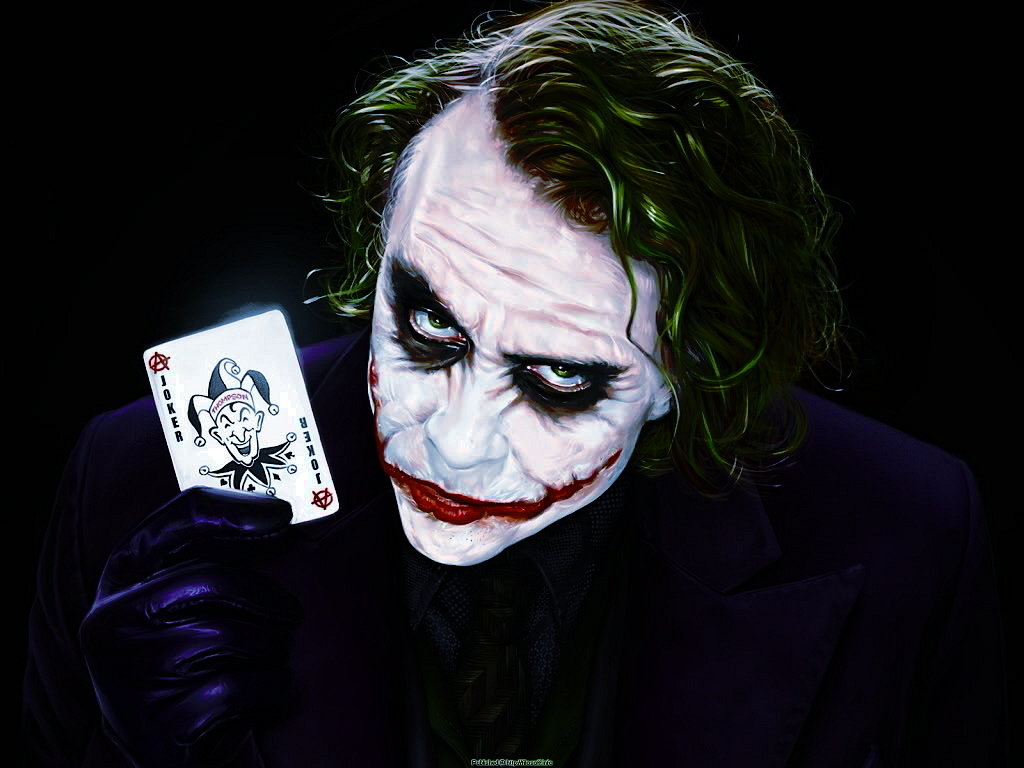

Facial expressions and body language clearly show the audience how the character is feeling. However, depending on the surroundings/costume/music we could get the wrong impression. For example, if we see a character smiling whilst covered in blood with scary backing music, he in fact may not be happy but just disturbed. Body language will indicate how characters feel towards one an other and show how the feel about the situation in which they are in.
Position of characters & objects within a frame can draw out attention to an important character/object. A film maker/directer can also use positioning to indicate relationships and between characters.


Colour can carry certain connotations and add meaning to a scene. It can give a scene a particular mood/feel. Colour can also be used for dramatic effect. For example, if the scene portrays the colour red effectively, this could add an effect of death/danger. Lighting can be used to highlight importance within characters or objects within a frame. For example, a character could have shady lighting on him to emphasis ones mysteriousness. Lighting can also be used to show a characters mental state/hidden emotions.

Firstly is the settings & props. Settings and locations play a huge part in the making of the film and are not just the 'backgrounds'. Sets are either normally built from scratch or the film creators in charge have to spent a huge amount of time in order to find a set that is both efficient and all ready built. The settings can manipulate the audience as they will create their own perception of what the film may be about when really it is the complete opposite.
Costume, hair and make-up almost instantly tell us what era the film is set in and also what society/culture it is based around. Their appearance of the character will give us an indication of status/job and personality. Certain costumes can also signify certain individuals, e.g. a red nose for a clown.
Facial expressions and body language clearly show the audience how the character is feeling. However, depending on the surroundings/costume/music we could get the wrong impression. For example, if we see a character smiling whilst covered in blood with scary backing music, he in fact may not be happy but just disturbed. Body language will indicate how characters feel towards one an other and show how the feel about the situation in which they are in.
Position of characters & objects within a frame can draw out attention to an important character/object. A film maker/directer can also use positioning to indicate relationships and between characters.
Colour can carry certain connotations and add meaning to a scene. It can give a scene a particular mood/feel. Colour can also be used for dramatic effect. For example, if the scene portrays the colour red effectively, this could add an effect of death/danger. Lighting can be used to highlight importance within characters or objects within a frame. For example, a character could have shady lighting on him to emphasis ones mysteriousness. Lighting can also be used to show a characters mental state/hidden emotions.

No comments:
Post a Comment